The new blood test is a post-natal screening tool for identifying ASD in children and is the first test worldwide to achieve accuracy levels of 80% sensitivity and specificity or higher in both discovery and clinical validation studies—meeting diagnostic standards set by the American Psychiatric Association. In line with regulatory requirements, a positive test result will require confirmation by referral to a child development specialist, such as a child psychologist. Use of the test is expected to improve the quality of such referrals four-fold.
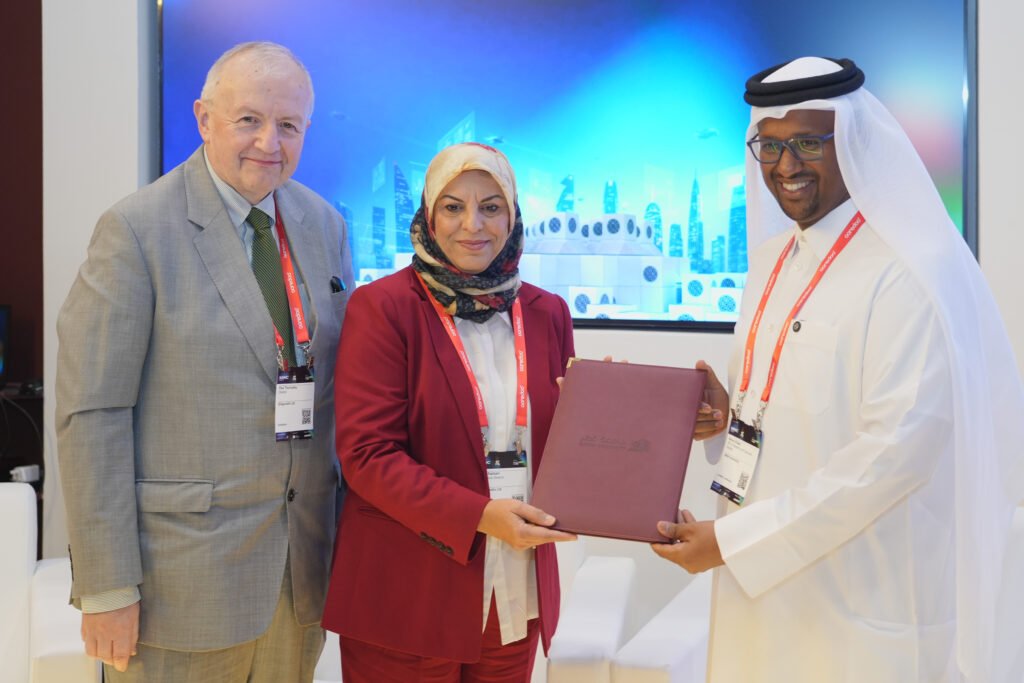
Founded in 2024, iDiagnostix Ltd builds on pioneering research conducted by Professors Rabbani and Thornalley at the University of Warwick, UK. The technology underwent large-scale clinical validation in a study funded by Qatar University, which also holds the associated patents. Patents for the ASD screening technology have been granted in the United States and Japan, with applications pending in the European Union and the United Kingdom. This licensing agreement represents a significant milestone in advancing early ASD diagnosis, improving referral accuracy, and enabling quicker access to support and intervention for children and their families.
Autism Spectrum Disorders are developmental conditions that primarily affect social interaction and may present with a wide range of behavioural and cognitive features. These can include speech difficulties, repetitive or compulsive behaviours, hyperactivity, anxiety, and challenges adapting to new environments. The broad variability of symptoms means diagnosis is often complex, particularly in the early stages of development.
The newly licensed technology identifies low-level protein modifications linked to metabolic changes in the brain and is supported by advanced AI algorithms to ensure diagnostic precision. In addition to aiding earlier diagnosis, the approach may also support future research into safe and effective treatments, including targeted nutritional interventions to help reduce severe ASD symptoms.
The next stages for iDiagnostix Ltd include preparing submissions for regulatory approval and, once secured, collaborating with clinical laboratory service providers to ensure broad availability of the test.
Professor Naila Rabbani, Executive Director of iDiagnostix Ltd, said:
“This agreement marks a major step in advancing this innovative screening test for ASD, with the potential to benefit individuals suspected of having autism, as well as their parents and carers.”
END-
About iDiagnostix Ltd
iDiagnostix Ltd, a UK-based medical diagnostics company incorporated in the UK in 2024 to bring a blood test for screening for autism to market and widespread clinical availability. Founders are Professor Naila Rabbani (acting Chief Executive Officer) and Professor Paul J Thornalley (acting Chief Scientific Officer).
For more information, visit https://idiagnostix.com/.
Media contact
Professor Paul J Thornalley
Email: Paul.Thornalley@idiagnostix.com Phone: +44 739 2207 254
About Qatar University:
Founded in 1977 as Qatar’s first national higher education institution, Qatar University (QU) comprises 12 colleges offering 96 academic programs at undergraduate and graduate levels. The university houses 18 research centers and maintains over 400 local and international collaborative partnerships. QU harmonizes Arab-Islamic heritage with global perspectives while upholding the highest standards of academic excellence, research innovation, and institutional quality.
Qatar University is committed to advancing education, scientific research, and sustainable development in Qatar through internationally accredited academic programs and strategic partnerships that align with Qatar National Vision 2030. Beyond academics, QU cultivates national identity and social values while delivering comprehensive educational experiences that address evolving workforce requirements.
For more information, visit www.qu.edu.qa
Media Contact:
Valid Abuharb
Email: Ex_VAbuharb@qu.edu.qa Phone: +974 4403 3055